How Do I... Create Meaningful Memory Activities With My Grandchildren?
Memory activities are one of the most natural ways to strengthen the grandparent-grandchild bond. This guide offers practical, low-barrier ideas that work across ages and distances, turning everyday moments into family history that kids will actually remember and carry forward.

Creating Meaningful Memory Activities With Grandchildren
There is a moment most grandparents recognize: you're in the middle of telling a story, something real from your own childhood, and you notice your grandchild has actually stopped scrolling and is listening. Not out of politeness. Out of genuine interest. It happens more often than anyone expects, and almost never at a planned moment. It happens when you are cooking together and you mention what your own mother used to make. Or when you pull out an old photo and a kid asks a question you were not expecting.
That moment is not accidental. It's the result of being in the same physical or virtual space, doing something together rather than just being near each other. And it turns out the research backs up what grandparents have always sensed instinctively: the connection itself matters, for both of them.
A Boston College study published in The Gerontologist found that an emotionally close grandparent-grandchild relationship was associated with fewer symptoms of depression for both generations, and that the greater the emotional support exchanged, the better the psychological health of each. Source: EurekAlert, American Sociological Association, 2013; Boston College / The Gerontologist
The activities in this guide aren't crafts for their own sake. They're prompts, designed to create the kind of side-by-side time that lets real conversation happen without anyone having to announce that they're "doing family history." The goal is a ten-year-old asking a follow-up question they didn't know they wanted to ask, and a grandparent answering it.
Why Memory Activities Work Better Than "Tell Me About Yourself"
Sitting someone down and asking them to talk about their life rarely produces the best stories. People feel put on the spot, they reach for the versions they've already told, and the conversation stays on the surface. But put the same person in front of an old photo album or a recipe box they haven't opened in years, and something different happens. The object does the work. It gives both people something to look at together, which takes the pressure off the conversation and lets the stories come out sideways.
A child who wouldn't sit still for a formal "listen to grandma's stories" session will often talk for an hour while doing something with their hands. The activity is not a distraction from the connection. It's what makes the connection possible.
The Recipe Project: Food As Family History
Of everything on this list, cooking together has the most reliable track record for producing stories that don't come out any other way. Something about familiar smells, repetitive motion and a defined task in front of you creates a different kind of conversation than sitting across a table with nothing to do but talk.
Ask the grandparent to choose one dish they actually know how to make, ideally something with a history: something they grew up eating, something they made for every holiday, something they learned from their own parents. Then cook it together with the grandchild, and while you cook, talk about it. Where did this recipe come from? Who taught you to make it? What did this food mean in your home? These questions come up naturally when you are standing at a stove together, and the answers become part of what the grandchild remembers about the dish forever.
The recording part is simple: prop a phone against something stable on the counter and let it run. The ambient kitchen sounds make those recordings feel particularly alive when you listen back to them years later.
Photo Sorting: Turning a Box of Unknowns Into a Conversation
Most families have a box, a drawer, or a folder of old photos where nobody remembers who half the people are. This is usually experienced as a problem to solve someday. It's also one of the best conversation-starting activities you can do with a grandchild of almost any age.
Pull out the box together. Let the grandchild pick up photos and ask questions. Do not try to organize or label anything at first, just look at them together. Older grandchildren can write names and dates on the back of prints or in a shared digital note. Younger ones will ask questions that older family members stopped thinking to ask. Either way, the grandchild is not passive. They are helping solve something, which gives them a completely different relationship to the material than they would have as an audience.
The questions that come up in these sessions are often the richest ones. "Why are they dressed like that?" leads to a description of a wedding in 1958. "Who is that?" leads to a story about a relative nobody has mentioned in thirty years. The photo does not have to be identified to produce a conversation worth having.
Let the grandchild decide which photos go into a "favorites" pile as you sort. At the end of the session, photograph that stack with a phone and send it to the child. It becomes a personal collection they chose themselves, which makes them far more likely to remember and care about the people in those images.
The "When You Were My Age" Interview
This one works especially well with kids between roughly eight and fourteen, and it flips the dynamic in a way that matters: the child is the interviewer, not the audience. Give them a short list of questions and a phone to record with, and let them conduct it themselves.
Kids take this seriously when it is framed as a real project, which means they prepare, they listen, and they follow up. They often ask questions adults have stopped asking, because adults assume they already know the answers or have decided the answers are not relevant. A ten-year-old does not have those assumptions. They will ask what school lunch cost in 1965, what happened if you were late, what grandpa's best friend's name was. Grandparents frequently describe these sessions as some of their favorite conversations they've had with their grandchildren.
Starter Questions for a Grandchild-Led Interview
What was your school like? Was it hard or easy?
What did you do on weekends when you were my age?
What was the best gift you ever got as a kid?
Did you ever get in trouble? What happened?
What is something you wished your own grandparents had told you?
What do you want me to know about you that I might not know already?
That last question almost always produces something unexpected. It gives the grandparent permission to say something they have been carrying around without an invitation to share it, and children take those moments seriously in ways that last.
The Family Map Project
This activity works well for kids who like visual projects and geography, and it scales from a simple conversation to a multi-session undertaking depending on how involved everyone wants to get.
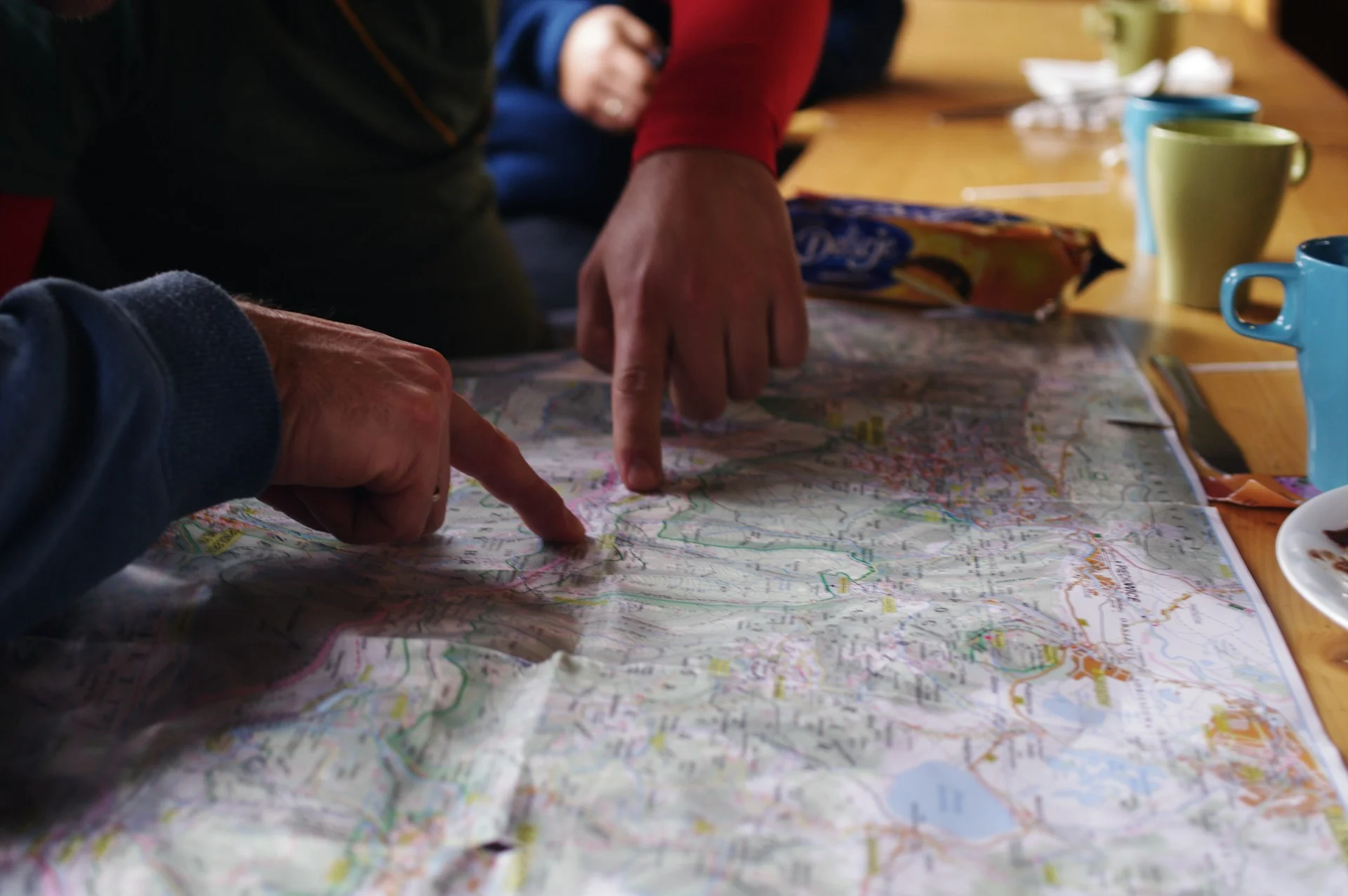
Start with a large printed map, a printed outline map of the world or the United States, and mark the places where the family has lived: where grandparents were born, where they grew up, where they moved and why, where their own parents came from. For families with roots in other countries, this becomes a conversation about immigration and identity that kids often find genuinely absorbing. For families who stayed in one place across generations, it becomes a conversation about what kept the family there, which is its own kind of history.
Older grandchildren can help research addresses, look up what cities looked like in a particular decade, or find photographs from the relevant places and times. The map itself becomes something both generations contributed to, which gives the grandchild ownership over it in a way that a purely received history never would.
When Distance Gets in the Way
Not every grandparent lives close enough for afternoon cooking sessions, and these activities adapt for remote connection more easily than they might seem. A video call where both people look at the same photos works: the grandparent holds up a print, the grandchild holds up their phone. The recipe project can become a grandparent walking a grandchild through a dish over video while both cook in their own kitchens at the same time. The interview project requires almost no setup, just a video call and questions the child prepared in advance. The family map project can be done with a shared photo, a digital map, or a grandparent's handwritten version sent by text.
Distance reduces spontaneity, but it doesn't eliminate the connection. Some grandchildren maintain surprisingly close relationships with distant grandparents through recurring activities like these, precisely because the activity gives them something to do together when simply chatting across that distance is harder.
Keeping What You Create
The best version of any of these activities is one where something gets saved. A recipe written in the grandparent's own handwriting, photographed and stored. A recording of the interview that the grandchild can listen to in ten or twenty years. A photo of the finished map with both of their hands in the frame pointing at a place that matters to the family.
For families doing this kind of memory work intentionally, My Family Story Vault is built to hold exactly these kinds of items, organized around the specific person at the center of the memory rather than scattered across devices. A Tribute page for a grandparent can hold the recipe photo, the interview recording, and the family map image in one place, with the whole family invited to contribute without needing separate accounts. When the grandchild is grown and wants to find what they made together, it will be there. When they want to share those stories with their own children, they will be there.
Start with one activity this month. Pick the one that feels most natural given your grandchild's age and your own comfort, and let the first session be a little rough. The point is not a polished product. It is the hour you spent next to each other, doing something that will come back to both of you later in ways you cannot fully predict right now.
You've Started Recording Memories, Now it's Time to Save Them!
Whether it's video of the grandkids cooking with their grandmother, audio clips of grandpa telling the "real" story about a an old photo the grandkids picked out of a box, or video/audio recordings of the grandkids "interviewing" their grandparents about where the family came from, these stories deserve to be preserved for future generations to enjoy and learn from. My Family Story Vault makes is easy to securely save and share your family stories with the current generation, and all the generations to come.
✨ Join thousands preserving family stories • 🔒 Secure & Private
🆓 Start Today