
How Do I... Tell If My VHS Tapes Are Still Good or Already Degrading?
Most VHS tapes from the 1980s and 1990s are already past their expected lifespan. This guide explains the specific physical and playback signs of deterioration, and gives a practical triage system for deciding which tapes to digitize before it's too late.

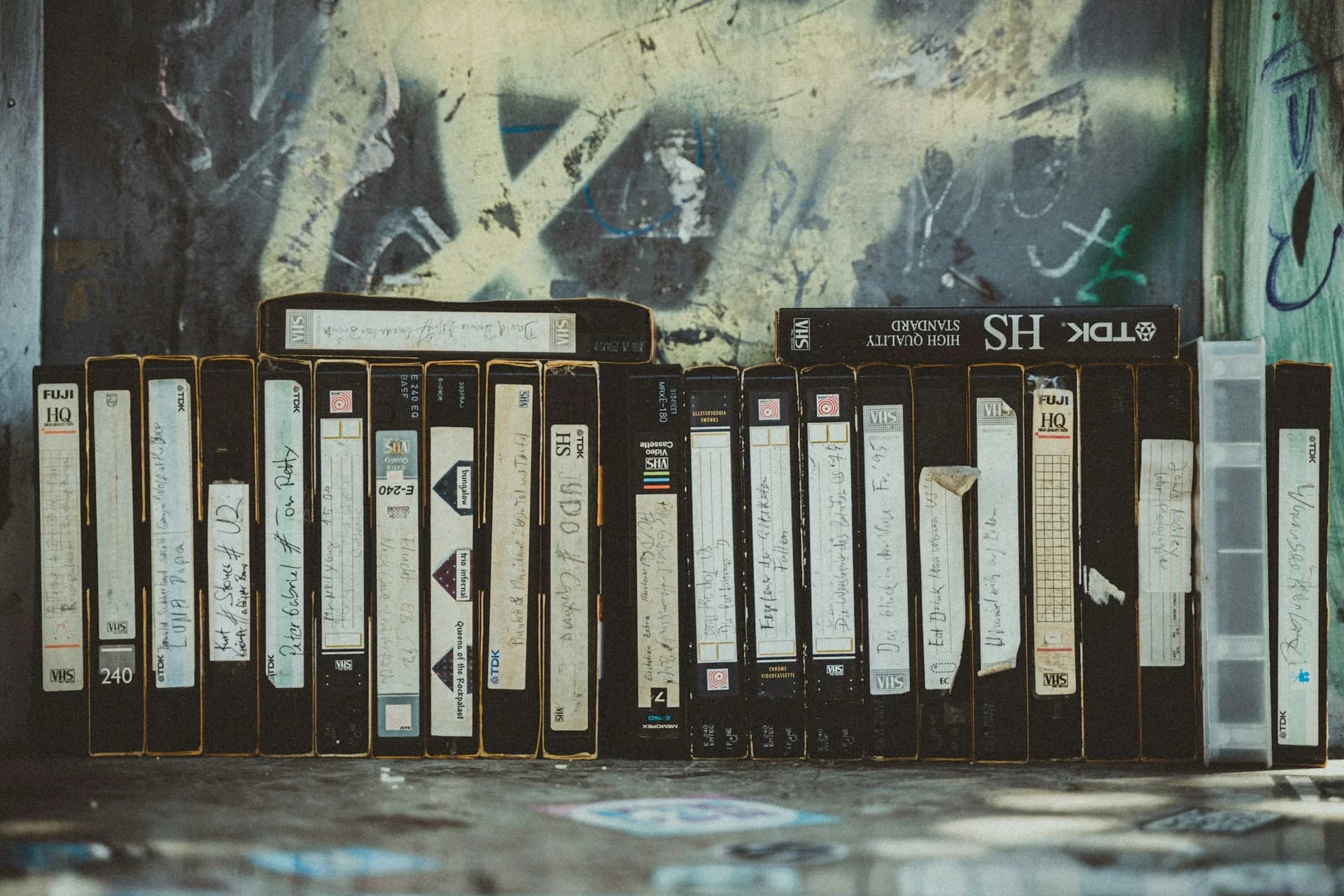
How Do I Tell If My VHS Tapes Are Still Good or Already Degrading?
A VHS tape sitting in a box in your closet isn't waiting patiently. Magnetic tape degrades continuously, and a cassette you haven't touched since 2003 has been changing the whole time. Tapes from the 1990s have now exceeded the 10-to-25-year window within which most experts place reliable signal retention. A 1985 Christmas tape isn't just old. It's likely already compromised.
The National Archives describes magnetic-based audio and video media as "one of the least stable formats found in archival holdings," depending on age, tape type, and storage conditions. VHS tapes were consumer products built to a price point, not to last. Understanding what deterioration looks like is the first step toward deciding what to do about it.
What's Happening Inside a Degrading Tape
VHS tapes store video and audio as magnetic patterns in a thin layer of metal oxide particles, bound to a polyester backing with a chemical binder. Two distinct failure modes affect this structure over time.
The first is magnetic remanence decay. The particles holding your footage gradually lose their charge. Nothing stops this. Cool, dry storage slows it. Heat and humidity speed it up. A tape stored in an attic in Florida has lost far more signal than one kept in a climate-controlled room, but both have been losing signal since the day they were recorded.
The second is binder hydrolysis. The chemical layer holding the oxide to the backing absorbs moisture from the air over years and begins to break down. This produces sticky shed syndrome: the tape surface becomes tacky, gums up playback heads, and sheds oxide onto the mechanism. A cassette with sticky shed can damage both itself and your VCR in a single play session.
Signs You Can See Before Playing
Inspect the cassette before putting it anywhere near a VCR. Flip open the shell door at the bottom and look at the tape surface visible through the opening. Mold appears as white, grey, or green fuzzy patches directly on the tape. Even a small patch means mold has eaten into the magnetic coating, and the footage under it is already gone. Playing a moldy tape spreads spores through the mechanism and onto other tapes.
Look at the tape edges visible in the reel windows on the top of the cassette. Oxide shedding shows up as brown or reddish-brown powder collecting inside the shell, particularly around the tape path and guides. This residue is your footage, physically detaching from the backing.
Warped cassette housings, cracked shells, or reels that don't spin freely when you turn them with a pencil are mechanical problems. A seized reel means the tape can snap or bunch inside the VCR.
Smell the cassette. A sour, vinegar-like odor from a VHS tape indicates accelerated binder breakdown. You'll sometimes see this called vinegar syndrome, though that term technically refers to acetate-based film rather than polyester VHS tape. The smell means the binder is breaking down and releasing acetic acid as a byproduct. A musty or mildew smell, with no visible mold yet, means moisture damage has likely already started.
Signs That Appear During Playback
Playback tells you things the physical inspection can't. Tracking errors produce horizontal bands, static, or a rolling image. Some tracking issues are mechanical and can be adjusted. Others indicate signal loss in the recording itself, meaning that portion of the footage is gone regardless of what you do with the heads.
A squealing noise during playback is a warning. It means the tape surface is dragging against the heads rather than moving smoothly, which is a characteristic sign of early sticky shed syndrome. Stop playback. Do not rewind and try again. Playing a sticky tape further worsens the oxide shedding and risks the tape adhering to and tearing against the heads.
Color that looks washed out, shifted toward red or orange, or lacking contrast in bright areas indicates dye fading in the recording. Snow or static in what should be solid-color areas is signal loss. A tape that plays fine for ten minutes then becomes unwatchable may have localized damage from a single exposure to heat, moisture, or a magnetic field.
If playback stops entirely and you hear the motor straining, the tape has likely stuck to a head or guide. Forcing it in either direction at this point risks a tear.
If you suspect sticky shed syndrome before playing a tape, a professional digitization service can "bake" the tape in a low-temperature oven to temporarily re-bond the binder, making one final playback possible. This is a one-time procedure that extends the window for capture, not a repair. Don't attempt it at home without researching specific times and temperatures for VHS tape, as overheating causes irreversible damage.
A Triage System for Your Collection
Most people have more tapes than they can realistically digitize at once. Triage means making deliberate decisions about what to save first, based on content value and physical condition rather than just working through the shelf in order.
Tier One: Digitize Immediately
Any tape showing signs of mold, sticky shed, or vinegar-like odor belongs in this group, alongside any tape with irreplaceable footage and no backup copy. Tapes from the 1980s sit here by default. A tape that's been stored in an attic, basement, or garage for more than a decade belongs here regardless of whether it shows visible symptoms, because environmental damage is often invisible until it's advanced. Tapes labeled with events that only happened once: births, weddings, funerals, the year before someone died.
Tier Two: Schedule Within the Year
Tapes from the early-to-mid 1990s, stored in indoor conditions, showing no visible signs of damage. They're within the degradation window but may still have playable life. This is also where tapes go if the content is meaningful but duplicated elsewhere: a birthday party from 1997 that was also photographed, a graduation that other family members may also have taped. Valuable enough to preserve, not urgent enough to emergency-prioritize over Tier One.
Tier Three: Assess and Decide
Tapes from the late 1990s onward, stored in decent indoor conditions, labeled with content you're certain about. These are still aging, but you have more time. Use this category carefully: "I'll get to it later" is what people said ten years ago about tapes now in Tier One.
For more details on how to digitize old VHS tapes, please read our How Do I... Transfer Old Home Movies on VHS Tape to Digital blog post.
What to Do Before You Play Any Old Tape
Let the cassette sit at room temperature for at least 24 hours before playing if it's been in cold storage. Cold tapes played immediately can have condensation problems that damage both the tape and the mechanism. Rewind it fully and let it sit in the rewound position for a day before playback. Fast-forward then rewind, which redistributes the tape pack and can relieve any unevenness from decades of sitting in one position.
Use a VCR that's been recently cleaned and inspected, or have the tape transferred professionally. A neglected VCR with dirty or misaligned heads introduces its own damage on top of whatever the tape has already accumulated.
Capture the playback to digital as you go rather than watching first and transferring later. Every play session causes wear. If you can only play a tape a limited number of times before it becomes unplayable, you want each session to produce a permanent file rather than just a viewing.
Where to Keep What You Capture
Digitizing a tape produces a file. A file on a single hard drive is the same fragility problem as a tape in a single box, just with a different failure mode. The backup principles that apply to any irreplaceable content apply here: multiple copies, at least one stored off-site or in cloud storage, with actual verification that the files are readable.
Getting the footage off the tape and preserved is the technical task. Giving it context and making it accessible to the people who care about it is a different job. My Family Story Vault is built for that second step. Each Tribute page is centered on a specific person, and video files can be added alongside photos and recordings, organized around the life events they document. Family members you invite can watch, contribute and add their own memories to what you've captured. A home video from 1988 that spent thirty years in a box can become part of a shared family record that survives and stays accessible long past the cassette that once held it.
Pull out your collection today. Handle each cassette and look for the signs listed in this guide. Sort into tiers. Whatever's in Tier One, start the digitization process this week. The tape isn't waiting.
It's Not Too Late to Start Preserving Family Stories
There are thousands of concerned people like you with old VHS home movies they want to preserve. Those videotaped moments are unique life events that your family would enjoy reliving, and future generations would love to experience.
✨ Join thousands preserving family stories • 🔒 Secure & Private
🆓 Start Today